


TRADE SERVICES
Trade, import, and export services play an indispensable role in the global economy, facilitating the smooth flow of goods across international borders and connecting businesses with markets worldwide. These services include a diverse range of activities such as product trading, brokerage, logistics, regulatory compliance, and market entry strategies, among others. Their importance cannot be overstated, as they enable businesses to access new markets, expand their global footprint, and increase their competitive advantage in an interconnected world.
At the heart of international trade lies product trading, which refers to the buying and selling of goods that are exchanged across borders. Product trading encompasses a wide variety of goods, ranging from raw materials to finished products. It requires in-depth knowledge of global markets, trends, consumer behavior, and pricing strategies. Traders and brokers specializing in specific goods or industries often act as intermediaries between sellers and buyers, playing a critical role in facilitating transactions.


Brokers serve an essential function in the trading process by researching markets, identifying potential suppliers and buyers, and negotiating favorable deals. Their expertise in sourcing products, setting prices, and understanding market dynamics helps businesses navigate complex global supply chains. Whether it’s finding the best suppliers or identifying optimal buyers, brokers are instrumental in ensuring that transactions occur smoothly and that products are delivered at competitive prices.
Furthermore, brokerage services often extend to providing market analysis, assessing demand and supply trends, forecasting prices, and helping companies understand the broader economic and geopolitical factors that may influence trade. Brokers also help companies assess the viability of entering new markets, ensuring that their goods align with local demand and regulatory standards.
Import & Export Services
Import and export services are crucial components of the global trade ecosystem, enabling businesses to bring goods from abroad into their local market or to sell domestic products overseas. Importing involves purchasing goods from other countries and distributing them within the home country. On the other hand, exporting is the process of selling domestically produced goods to foreign markets. Both activities require in-depth knowledge of international trade regulations, tariffs, customs duties, and logistics to ensure that the transaction is compliant and efficient.
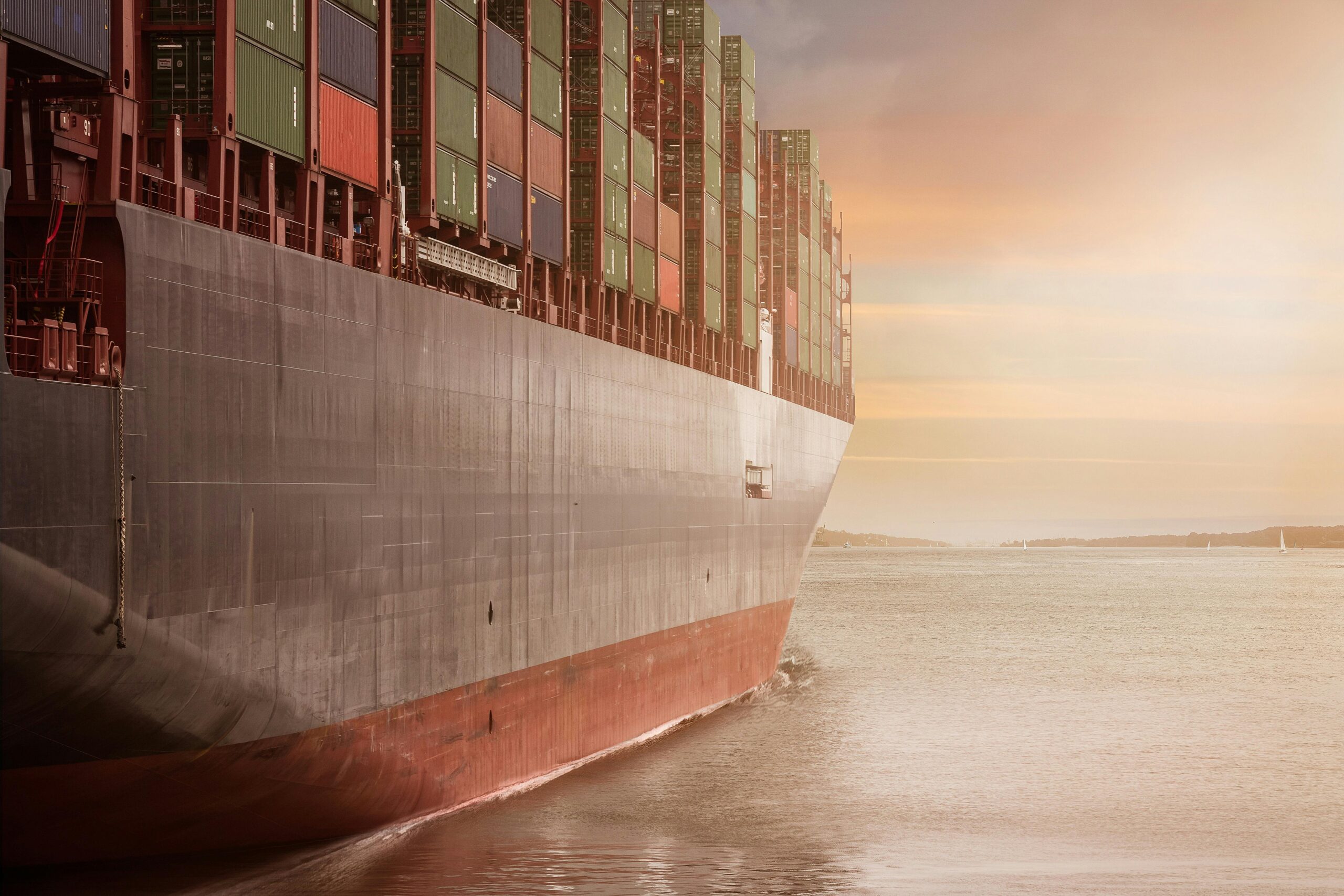

For importers, services typically involve identifying reliable international suppliers, negotiating purchase contracts, managing logistics, and ensuring that goods meet local regulations and quality standards. Import service providers can help businesses overcome challenges related to customs procedures, product testing, and certifications, thus ensuring that products arrive in good condition and comply with all necessary standards.
Exporters face their own set of challenges, which include identifying profitable international markets, assessing consumer preferences, understanding the intricacies of export documentation, and complying with foreign regulations.
Export service providers offer invaluable support in this regard by advising companies on market entry strategies, assisting with necessary permits and certifications, and guiding businesses through the complex process of managing customs documentation and tariffs.