


BLOG
The Impact of The Republic of Korea’s Economy on the Lives of Its People

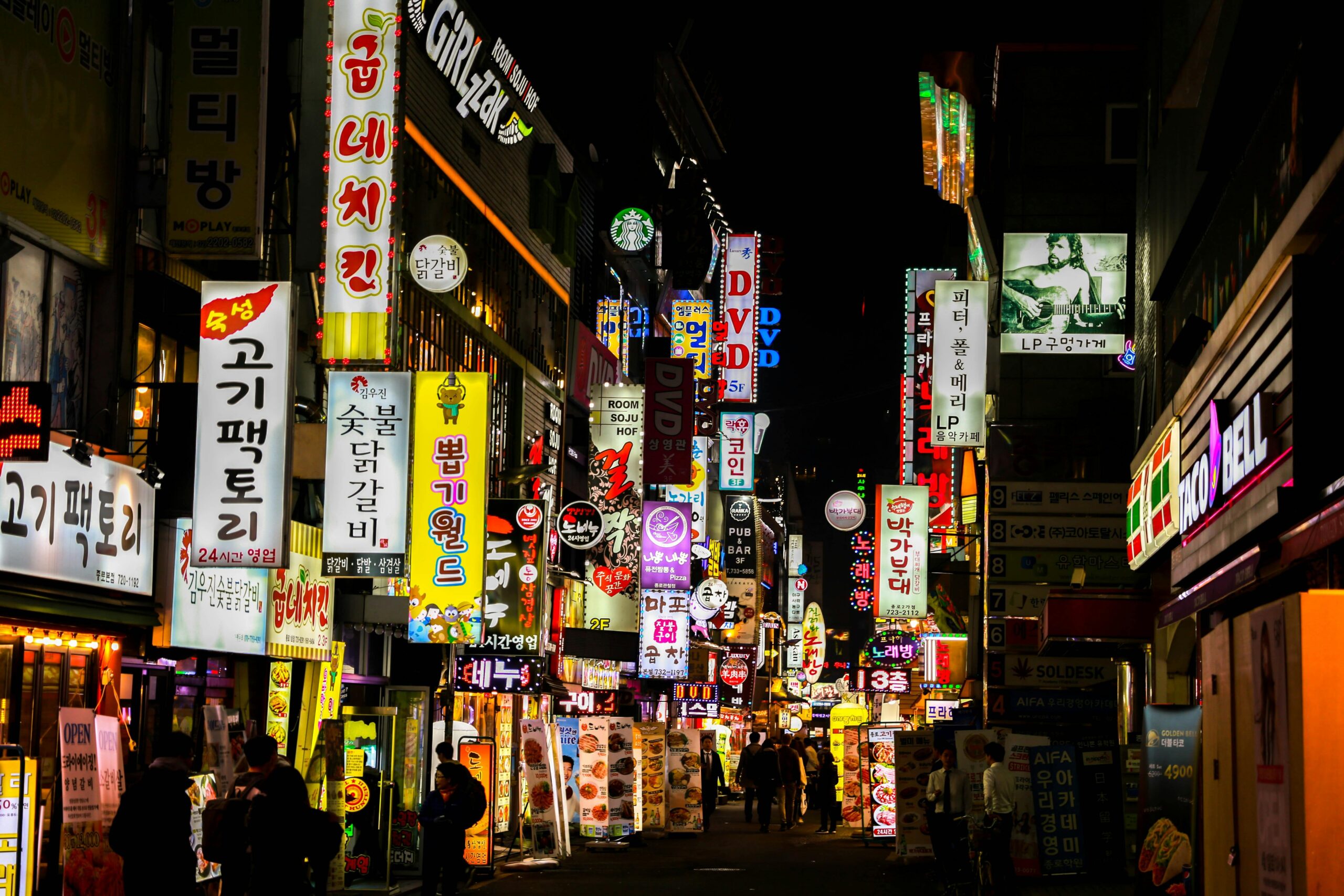
The Republic of Korea, one of the most dynamic economies in the world, has undergone a remarkable transformation over the past few decades. From a war-torn country in the 1950s to a high-tech, industrial powerhouse, the country’s economic growth has had profound implications for the lives of its people. This article explores how the Republic of Korea’s economic development has shaped the lives of its citizens, focusing on key aspects such as income inequality, job security, quality of life, social mobility, and work culture.
Economic Transformation and Its Effects on Republic of Korea Society
The Republic of Korea’s rapid economic growth, often referred to as the “Miracle on the Han River,” was driven by industrialization, export-oriented strategies, and significant investments in technology and education (Lee, 2017). The country’s transition from an agrarian society to an advanced industrial economy has had both positive and negative effects on the people’s day-to-day lives.
- Income Inequality and the Economic Divide
While the Republic of Korea’s GDP per capita has soared, the benefits of economic growth have not been evenly distributed. Income inequality is one of the most pressing issues in the country. According to the OECD, the Republic of Korea’s income inequality is among the highest in the developed world, with the richest 10% of the population earning more than 4.5 times what the poorest 10% make (OECD, 2021).
The rapid expansion of industries such as electronics, automobiles, and shipbuilding has created substantial wealth for those at the top of the corporate ladder, but many low-wage workers still struggle with precarious employment conditions. Furthermore, the younger generation faces challenges such as underemployment and job insecurity, despite having high educational qualifications (Lee & Cho, 2020). The result is a growing disparity between rich and poor, which affects social mobility and exacerbates social tensions.
- The High Cost of Living and Work-Life Balance
Economic development has led to an improved standard of living for many citizens of the Republic of Korea. However, this has also resulted in a higher cost of living, especially in urban centers like Seoul. Housing prices in Seoul, one of the most expensive cities in the world, have skyrocketed in recent years, making homeownership increasingly difficult for younger generations (Kwon, 2020). As a result, many young adults are forced to live with their parents for longer periods, delaying marriage and starting families.
In addition to the high cost of living, the Republic of Korea’s work culture is known for its long working hours and intense pressure to perform. The work-life balance is often poor, with employees in both private and public sectors facing long hours and a culture of overtime. A 2019 report by the International Labour Organization (ILO) revealed that Republic of Korea workers average 2,069 working hours annually, significantly higher than the OECD average of 1,763 hours (ILO, 2019). This “workaholic” culture has profound implications for individuals’ personal lives, mental health, and overall well-being.
- Social Mobility and Education
Education plays a critical role in the Republic of Korea’s society, and it has long been seen as the primary avenue for social mobility. The country’s education system is rigorous, with students often attending after-school programs or private tutoring sessions known as “hagwons” to improve their chances of entering prestigious universities (Park, 2019). The pursuit of academic success has been a major driver of economic prosperity, as the Republic of Korea’s highly educated workforce has contributed significantly to the country’s global competitiveness.
However, the high cost of education and the intense pressure placed on students to succeed have created significant challenges for families, especially for those in lower-income brackets. Education has become a key determinant of socioeconomic status, which means that those unable to afford private tutoring or prestigious universities are often locked out of the best job opportunities (Lee, 2021). This can perpetuate the cycle of poverty for disadvantaged families, limiting social mobility despite the country’s economic advancement.
- Technological Advancements and Quality of Life
The Republic of Korea is renowned for its technological innovations, particularly in the fields of electronics, telecommunications, and IT. The country boasts some of the fastest internet speeds in the world and has become a global leader in mobile technology (Kim & Park, 2020). These technological advancements have significantly improved the quality of life for many citizens, making access to information, communication, and services more efficient and convenient.
For example, the widespread adoption of digital platforms has made banking, shopping, and even healthcare more accessible. The Republic of Korea government has also launched initiatives like “Smart Cities,” where technology is used to improve urban living conditions, enhance environmental sustainability, and provide efficient public services (Choi & Lee, 2022).
However, the rapid pace of technological change also brings about challenges. The gig economy and automation are reshaping the labor market, leading to fears of job displacement, particularly among lower-skilled workers. The rise of automation in manufacturing and the service sector could exacerbate income inequality and create new economic divides (Kim & Lee, 2021).
- Mental Health and Economic Stress
The economic pressures of living in the Republic of Korea, combined with the high expectations of success and the competitive job market, have contributed to mental health challenges for many individuals. Depression, anxiety, and stress-related disorders are on the rise, particularly among young people and the elderly. The Republic of Korea has one of the highest suicide rates among developed nations, a tragic consequence of economic and social pressures (Kwon & Shin, 2021).
The intense competition in education and the workplace, combined with the pressures of family expectations, contribute to this phenomenon. The government has acknowledged the mental health crisis and is beginning to invest more in mental health services. However, there remains a significant stigma surrounding mental illness, and many individuals hesitate to seek help due to fear of social exclusion or career repercussions (Park & Lee, 2020).
Conclusion
In conclusion, the Republic of Korea’s economy has profoundly impacted the lives of its people, offering both opportunities and challenges. While the country’s remarkable economic growth has improved living standards and brought technological advancements, it has also contributed to rising income inequality, high living costs, and a work culture that can be detrimental to mental health. The country’s educational system continues to serve as a key factor in social mobility, but it also exacerbates the socioeconomic divide. Moving forward, the Republic of Korea must address these challenges by ensuring that the benefits of its economic growth are more evenly distributed and by implementing policies that promote work-life balance, reduce income inequality, and support mental health.
References
- Choi, S., & Lee, J. (2022). Smart Cities and Technological Innovation: The South Korean Model. Journal of Urban Development, 15(4), 55-68.
- International Labour Organization (ILO). (2019). ILO Global Wage Report 2019-2020. Geneva: ILO.
- Kim, H., & Lee, S. (2021). Automation and the Future of Work in South Korea: Challenges and Opportunities. Labour Economics Review, 20(3), 41-54.
- Kim, H., & Park, Y. (2020). Technological Advancements in South Korea: From Telecommunications to Artificial Intelligence. Journal of Technology and Society, 10(2), 122-139.
- Kwon, H. (2020). The Rising Cost of Living in Seoul: Housing and Economic Inequality. Journal of East Asian Economics, 18(3), 234-249.
- Kwon, J., & Shin, S. (2021). Mental Health Challenges in South Korea: The Role of Economic Stress. International Journal of Public Health, 45(1), 32-45.
- Lee, C. (2021). Education and Social Mobility in South Korea: A Double-Edged Sword. Educational Sociology, 12(1), 21-38.
- Lee, J., & Cho, H. (2020). Youth Employment in South Korea: Underemployment and Job Insecurity. Asian Economic Policy Review, 10(1), 79-92.
- OECD. (2021). Income Inequality and Poverty in South Korea: A Review of Trends and Impacts. OECD Economic Surveys, 2021.
- Park, J. (2019). Private Education and Its Impact on Social Inequality in South Korea. Educational Research Review, 8(3), 44-59.
- Park, S., & Lee, K. (2020). Mental Health Stigma in South Korea: A Barrier to Seeking Help. Asian Journal of Psychiatry, 5(3), 56-70.